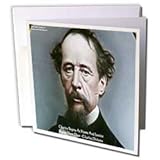
|
|
Charles Dickens Posters, Books, Videos, Links for Learning
for the language arts and social studies classrooms, home schoolers and Charles Dickens scholars.
|
literature > CHARLES DICKENS POSTERS | 2 < notable men < social studies
|
|
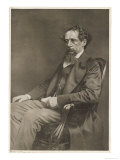
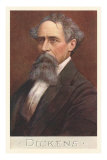
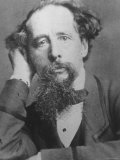 Charles Dickens Charles Dickens
b. 2-7-1812; Portsmouth, England
d. 6-9-1870
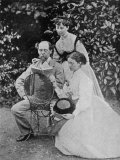
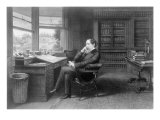
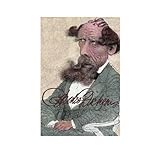
Charles Dickens, a Victorian era English author and social critic, was extremely popular for his storytelling capabilities and memorable characters.
Dicken's work was originally serialized as it made the stories inexpensive and easily assessable to the mass audience; today's soap opera might be a comparison of the anticipation with which each installment was awaited. Dicken's characters are among the best known in literature - Scrooge and Tiny Tim from “A Christmas Carol”, “Great Expectations” - Pip, Miss Haversham and Estella; Charles Darnay from “A Tale of Two Cities”; “David Copperfield”, and “Oliver Twist” with the Artful Dodger and Fagin.
Dicken's early family life appeared to be relatively comfortable until his father was put in debtor's prison for living beyond his means; at the age of twelve Dicken's was helping to support his family by pasting labels on polish jars for ten hours a day at six shillings a week. He never forgave his mother for making him stay with the work long after the economic need had passed.
As a young adult Dicken's became a journalist after finding the law not to his liking. The journalism allowed him travel experiences, which with his childhood memories, lead to expressing his outrage of social conditions.
|
|
DICKENS QUOTES ~
|
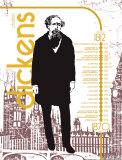
• CHARLES DICKENS POSTERS
Literature, Poetry and Language Arts
|
|
|
|
|
|
|
|
|
|
|
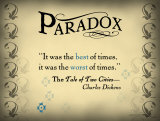
Paradox - a statement or group of statements that leads to a contradiction or a situation which (if true) defies logic or reason, similar to circular reasoning.
“It was the best of times, it was the worst of times.”
The Tale of Two Cities by Charles Dickens
• more Literary Terms posters
|
|
|
|
|
|
|
|
|
|
|
|
|
|
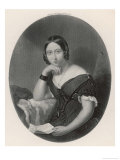
Queen Victoria
b. 5-24-1819; Kensington Palace, London, England
d. 1-22-1901; Isle of Wight
Queen Victoria began her reign in 1837 (age 18) and Charles Dickens was already well known for his Pickwick Papers, published in serial form in 1836.
|
|
|
|
|
more Charles Dickens Posters 2
• more Authors posters
|
|
|
|
|
|
• “Subdue your appetites, my dears, and you've conquered human nature.”~ Boz
• “I hold my inventive capacity on the stern condition that it must master my whole life, often have complete possession me, make its own demands on me, and sometimes for months together put everything else away from me ... Whoever is devoted to an art must be content to deliver himself wholly up to it and to find his recompense in it.” Letter to Mrs. Winter, 1855
• “In the little world in which children have their existence, whosoever brings them up, there is nothing so finely perceived and so finely felt as injustice.” ~ Great Expectations
• "It was the best of times, it was the worst of times, it was the age of wisdom, it was the age of foolishness, it was the epoch of belief, it was the epoch of incredulity, it was the season of Light, it was the season of Darkness, it was the spring of hope, it was the winter of despair, we had everything before us, we had nothing before us..." ~ A Tale of Two Cities
• “No one is useless in this world who lightens the burdens of another.”
CHARLES DICKENS BOOKS, VIDEO, AUDIO
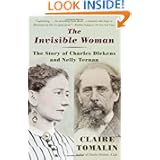
Charles Dickens Four Complete Novels (Great Expectations, Hard Times, A Christmas Carol, A Tale of Two Cities)
American Notes for General Circulation- (1842) Charles Dickens was the most famous of many travelers of his time who journeyed to America, curious about the revolutionary new civilization that had captured the English imagination. His frank, often humorous descriptions in his 1842 account cover everything from his uncomfortable sea voyage to an ecstatic narrative of his visit to Niagara Falls. Yet Dickens is also critical of American society, its preoccupation with money, and reliance on slavery, as well as the rude, unsavory manners of Americans and their corrupt press. Above all, American Notes is a lively chronicle of what was for Dickens an illuminating encounter with the New World.
page 2 - books & illustrations
LINKS FOR LEARNING : CHARLES DICKENS
- Charles Dickens-Wikipedia - the free encyclopedia
- The Dickens Fellowship - a worldwide association of people who share an interest in the life and works of Charles Dickens
- The Friends of Dickens - People who celebrate Charles Dickens: his life, his times, his accomplishments. Each year we select one Dickens novel for our special attention.
- The Dickens Project, Univ. of California - a scholarly consortium devoted to promoting the study and enjoyment of the life, times, and work of Charles Dickens.
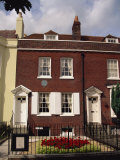
- Dickens Birthplace Museum - The famous writer Charles Dickens was born in this modest house in Portsmouth, England in 1812. The house has miraculously survived and is now preserved as a museum furnished in the style of 1809 which is when John and Elizabeth Dickens set up the first home of their married life there.
- Discover Dicken's Kent
- The Charles Dickens Museum, London - The only surviving London home of Dickens (from 1837 until 1839) was opened as a Museum in 1925 and houses the world's most important collection of material relating to the great Victorian novelist and social commentator.
- The Victorian Web - All about the Victorian Era- literature, history, technology...
- Project Gutenberg, Charles Dickens - Project Gutenberg is the oldest producer of free electronic books (eBooks or etexts) on the Internet. Collection of more than 13.000 eBooks was produced by hundreds of volunteers. Most of the Project Gutenberg eBooks are older literary works that are in the public domain in the United States. All may be freely downloaded and read, and redistributed for non-commercial use.
|
previous page | top
|
|
I have searched the web for visual, text, and manipulative curriculum support materials - teaching posters, art prints, maps, charts, calendars, books and educational toys featuring famous people, places and events - to help teachers optimize their valuable time and budget.
Browsing the subject areas at NetPosterWorks.com is a learning experience where educators can plan context rich environments while comparing prices, special discounts, framing options and shipping from educational resources.
Thank you for starting your search for inspirational, motivational, and educational posters and learning materials at NetPosterWorks.com. If you need help please contact us.
|
|
|