|
|
Food, Cuisines, Nutrition Educational Posters, Art Prints & Charts
for classrooms, kitchens and restaurants.
|
social studies > CULINARY FOOD < nutrition < science
|
|
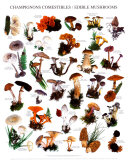
Food is any substance consumed by living organisms for energy. Most food is of plant or animal origin; notable exceptions are the fungi mushrooms and the mineral salt.
Gastronomy (from the Greek 'gastros' = stomach + 'nomos' = knowledge) is the study the relationship between food and culture; the word cuisine refers to traditions and preparation techniques related to a particular culture. The culinary arts have to do with food and kitchens. Nutrition is the study of the relationship between health and diet. Here is the US Government definition of food.
Author and food lover Orson Welles said “My doctor told me to stop having intimate dinners for four. Unless there are three other people.”
|
|
|
Dairy Posters
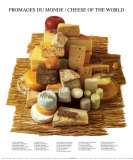
In industrial societies cow's milk is the usual source of dairy products like cheese, yogurt, ice cream and butter.
|
|
|
|
Fruits Posters
In cooking “fruit” ususally refers to just the sweet, fleshy plant fruits like apples and oranges. A nut is a dry fruit with one seed.
|
|
|
|
Grains & Cereals Posters
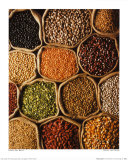
Pulses are dry grains from the pods of annual leguminous plants (i.e. dry beans, peas, lentils). Grains are seeds of annual grasses, sometimes referred to as cereal (i.e. wheat, rice, maize).
|
|
|
|
Spices & Culinary Herbs
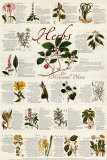
Herbs are annual or perennial plants that are grown for their culinary, medicinal and/or spiritual value.
Spices, valuable trade items throughout human history, are the dried seed, fruit, root, bark or resin used to flavor or preserve food.
|
|
|
|
|
|
|
Vegetables Posters
Vegetable is a culinary term (not botanical) to describe any part of a plant that is usually food for humans, and is not a nut, fruit, grain, herb or spice.
|
|
|
|
Eggs
Edible eggs, the round or oval body laid by the female birds and turtles, consist of a protective, oval eggshell, the albumen (egg white), the vitellus (egg yolk), and various thin membranes. Roe and caviar are edible eggs produced by fish.
Eggs are considered a good source of protein and choline.
|
|
|
|
Meat & Poultry Posters
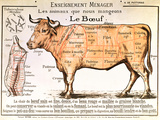
Meat is food from animals: cattle (beef & veal), sheep (lamb & mutton), pigs (pork), poultry, and horses (mostly in Europe).
|
|
|
|
Seafood Posters
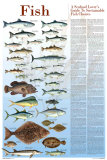
Seafood is a term used to describe any aquatic animal suitable for eating and includes both animals from salt and fresh water.
|
|
|
|
Cuisines of the World Posters
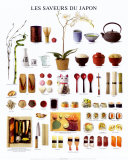
Cuisine refers to the food traditions associated with a specific culture and refect the locally available ingredients and trade items, such as spices. The word French word “cuisine” is from the Latin coquere, “to cook”.
|
|
|
|
Beverages Posters
Coffee, tea, wine...
Beverages are drinks that are prepared for human ingestion.
|
|
|
|
Desserts Posters
Dessert is typically the last course of a meal, and is sweet. Desserts, prior to the mechanization of sugar production, were expensive and reserved for the wealthy or for special occassions.
|
|
|
|
|
|
|
Medicinal Plants
Erbe della salute
Plantes medicinales
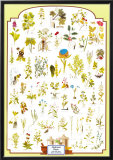
Medicinal plants are considered those that have a health-promoting or disease-preventing property beyond the basic function of supplying nutrients.
Pharmacognosy is the study of medicines derived from natural sources.
• medicinal posters
|
|
|
|
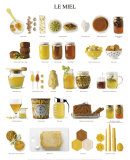
Honey, a sweet food made by bees using nectar from flowers, has a long history of human consumption and is used in various foods and beverages as a sweetener and flavoring.
The variety produced by honey bees (the genus Apis) is the one most commonly referred to and is the type of honey collected by beekeepers and consumed by humans. Honey produced by other bees and insects has distinctly different properties.
Honey has a role in religion and symbolism and is also used in various medicinal traditions to treat ailments.
• insects posters
|
|
|
|
Sugar, edible crystalline carbohydrates, is characterized by a sweet flavor.
In food, sugar almost exclusively refers to sucrose, which primarily comes from sugar cane and sugar beet.
Sugar, produced in the Indian subcontinent since ancient times when methods of turning sugarcane juice into granulated crystals, was not plentiful or cheap in early times. When Alexander the Great invaded India he was surprised to taste the sweetening agent that was different from honey.
Other sugars are used in industrial food preparation, but are usually known by more specific names—glucose, fructose or fruit sugar, high fructose corn syrup, etc.
|
|
|
|
Salt, a mineral that is composed primarily of sodium chloride, is essential for animal life in small quantities, but is harmful to animals and plants in excess.
Salt is one of the oldest, most ubiquitous food seasonings and salting is an important method of food preservation.
The taste of salt (saltiness) is one of the basic human tastes.
• more Gandhi and the Salt March
|
|
|
|
|
|
|
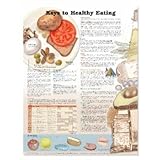
Defines and describes the role of carbohydrates, proteins, fats, and vitamins and minerals in the body. Discusses various low-fat diets associated with vegetarianism, complimentary proteins, and healthy ways to eat meat. Lists good sources of fiber and vegetable protein. Shows recommended daily requirements of key vitamins and minerals and discusses supplements. Diagrams percent of calorie intake that should come from carbs, protein, and fats.
• nutrition posters
|
|
|
|
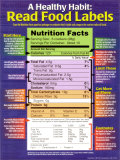
A Healthy Habit: Read Food Labels
Poster Text: Scan the Nutrition Facts panel on package to evaluate what's inside and compare the nutrient value of food. ...
• safety posters
|
|
|
|
|
|
|
Taste
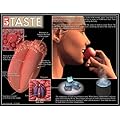
While a newborn has taste buds all over the inside of the mouth, adults' taste buds are mainly on the surface of the tongue. An adult has as many as 10,000 taste buds. Taste bud cells last only a week before being renewed by the body.
The sense of taste works in conjunction with the sense of smell to create flavor. The taste of food is a combination of several factors, including the feel of the food in the mouth, its smell, and its appearance.
The temperature of food also influences taste. When food is warm or hot, it releases more chemicals into the air. These trigger our sense of smell, which increased flavor. Heat increases the flavor of sweetness, while cold decreased it. Taste buds also seem to work better at warmer temperatures.
Taste buds on the tongue are located around the base and sides of papillac.
BITTERNESS is tasted at the back of the tongue.
SOURNESS is tasted along the sides of the tongue.
SALTINESS is tasted along the side at the front of the tongue.
SWEETNESS is tasted at the front of the tongue.
• sense system poster series
• more digestive system posters
|
|
|
| Food Service Posters |
• “In large states public education will always be mediocre, for the same reason that in large kitchens the cooking is usually bad.” Friedrich Nietzsche
|
|
previous page | top
|
|
I have searched the web for visual, text, and manipulative curriculum support materials - teaching posters, art prints, maps, charts, calendars, books and educational toys featuring famous people, places and events - to help teachers optimize their valuable time and budget.
Browsing the subject areas at NetPosterWorks.com is a learning experience where educators can plan context rich environments while comparing prices, special discounts, framing options and shipping from educational resources.
Thank you for starting your search for inspirational, motivational, and educational posters and learning materials at NetPosterWorks.com. If you need help please contact us.
|
|
|