|
|
Yoga Educational Posters & Art Prints
for classrooms and studios
|
|
educational posters > health / healing art > yoga < theology < social studies
|
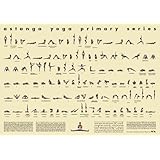
Yoga, meaning “to yoke to the Creator”, teaches that the blockages in our path to Self realization, such as stress indicated by uneven breathing, can be overcome with the practice of postures (asanas) that reinstate our intended perfect harmony between body and mind.
|
|
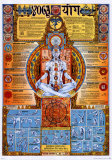
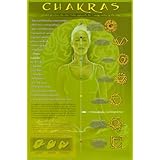
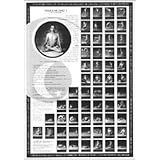
Yoga-Comprehensive chart with explanations of the Chakras, locations, mantras, yantras, descriptions of related energies, related mandalas, explanations of the major schools of yoga, the eight limbs of Ashtanga Raja yoga, illustrations of the basic asanas, pictures of important gods and goddesses, quotes from the scriptures.
|
|
|
|
|
|
|
|
|
|
|
|
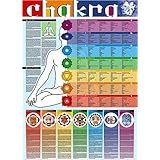
Chakra & Mudras
Poster text:
Sanskrit for Wheel, the word Chakra represents the 7 energy centers of the body.
Chakras are believed to contain energies called Prana, corresponding to higher cerebral functions. Practitioners of various Yoga styles nurture what is considered to be the spiritual energy known as Prana-Kundalini, which resides coiled in the base Chakra or Muladhara. The location of each Chakra over specified points on the cerebrospinal axis, referred to as Merudanda corresponds to the nerver groupings emanating from the spine.
Mudras - Intended to guide the flow of energy to the brain during meditation, hand positions ccalled Mudras assist the practitioner in estabishing strong mind and body communication.
Each finger represents one of the fie basic elements of which our bodies are made. Mudras are used to coordinate these elements and restore properties.
• Sajasrara • Ajna • Vishudda • Anahata • Manipura • Svadhistana • Muladhara
|
|
|
|
|
|
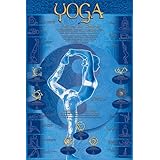
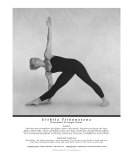
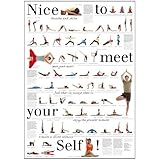
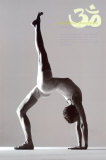
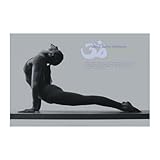
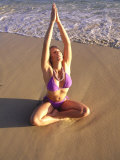
Extended Triangle Pose - Utthita Trikonasana
also Warrior II, Tree, Extended Side Angle, Standing Forward Bend, Downward Facing Dog, Supported Shoulder Stand, and Mountain Pose in set.
|
|
|
|
|
|
Meditation
Mantras and Koans, Eight Auspicious Symbols
• Peace posters
|
|
|
|
|
|
|
|
|
|
|
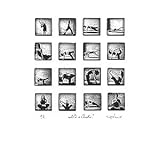
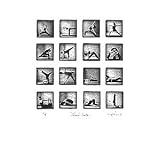
Balance Yoga
“I am one with my body. I am one with my mind.”
|
|
|
|
|
|
|
|
|
|
|
|
|
|
|
|
|
|
|
|
|
|
|
|
|
|
World Religions -
Hinduism Wall Poster
“The truth is one; sages call it by various names.” – Rig Veda
Hinduism is the oldest of the world's major religions. It developed as a combination of ancient Indian religions and the religion of the Aryans. The Aryans were nomads who invaded northern India between 2000 and 900 B.C. Hindus worship many different gods and goddesses, but these gods and goddesses are all part of Brahman, the absolute and supreme realty. Hindus believe that everything – all things and events – plays a role in universal order. Today, Hinduism is the majaor religion of India. More that 760 million Hindus live in India and around the world.
The Vedas – which means “body of knowledge” – are the most honored texts in Hinduism. The Upanishads [oo-PAHN-ih-shads], an important part of the Vedas, explain the concept of Brahamn. The Upanishads also discuss reincarnation, the belief that when a person dies, his or her soul is reborn in another living being. Hindus compare the soul to a river. Like a river, the soul flows continuously, but it is always the same. Other Hindu holy texts tell the stories of gods and goddesses. The three most important Hindu gods are Brahma, the creator; Vishnu, the preserver, and Shiva, the destroyer. Individual devotion to a personal god is a major part of modern Hindu worship.
The Vedas also set up a “caste system,” a formal division of people into different social classes. Hindus believe that good actions in one life can lead to rebirth in a higher caste in the next life. A person's caste is determined by karma, the consequences of human actions. During the 1800s people started to work against the caste system because it denied basic rights to many. Under the caste system, “Untouchables,” people of the lowest social class, had to perform the worst jobs and couldn't use such public facilities as roads and wells. One man who led the struggle to end this system was the Hindu religious and political leader Mohandas K. Gandhi. Gandhi also helped India gain independence from Great Britain in 1947.
• World Religions posters
• more Hinduism posters
|
|
|
|
|
|
Ancient India
(2500 B.C. — 1500 B.C.)
When historians talk about India, they usually mean the area that now includes Pakistan and Bangladesh, as well as modern India. It was in this region, just south of the world's tallest, and most rugged mountains, that one of the great civilizations of ancient times flourished. This civilization is known as the Indus Valley civilization, because it grew up along the Indus River in the north. Like the Nile and the Tigris and the Euphrates Rivers, the Indus River flooded its banks every year, creating a rich soil on which farmers could grow crops. ...
• more Ancient Civilizations posters
• India posters
|
|
|
previous page | top
|
|
I have searched the web for visual, text, and manipulative curriculum support materials - teaching posters, art prints, maps, charts, calendars, books and educational toys featuring famous people, places and events - to help teachers optimize their valuable time and budget.
Browsing the subject areas at NetPosterWorks.com is a learning experience where educators can plan context rich environments while comparing prices, special discounts, framing options and shipping from educational resources.
Thank you for starting your search for inspirational, motivational, and educational posters and learning materials at NetPosterWorks.com. If you need help please contact us.
|
|
|