|
|
Mahatma Gandhi Posters & Art Prints, pg 2/2
for social studies and peace education, homeschoolers, and as theme decor for office and studio.
|
famous men > Mahatma Gandhi Posters 1 | 2 | Gandhi Quotes < peace & justice < social studies
|
|
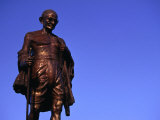
Page 2 of comprehensive selection of Mahatma Gandhi posters, art prints and photographs chosen especially for social studies classrooms, peace education curriculum resources, home schoolers and as theme decor for office and studio.
|
|
Humanity
“We must not lose faith in humanity. Humanity is an ocean; if a few drops of the ocean are dirty, the ocean does not become dirty.” - Mahatma Gandhi
• more motivational posters
|
|
|
|
Be True to Yourself
“Happiness is when what you think, what you say, and what you do are in harmony.” - Mahatma Gandhi
• more motivational posters
|
|
|
|
Poster, created by Maurice Merlin, showing map of India, Buddha, Gandhi, and the Taj Mahal, 1941
• more architecture posters
|
|
|
|
|
|
|
|
|
| “Be the Change that you want to see in the world.” |
“Live as if your were to die tomorrow. Learn as if you were to live forever.” |
|
|
|
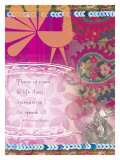
“There is more to life
than increasing its speed.” |
“Happiness is what you think, what you say, and what you do when you are in harmony.” |
|
|
|
|
|
|
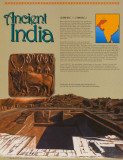
Ancient India
(2500 B.C. — 1500 B.C.)
When historians talk about India, they usually mean the area that now includes Pakistan and Bangladesh, as well as modern India. It was in this region, just south of the world's tallest, and most rugged moutains, that one of the great civilizations of ancient times flourished. This civilization is known as the Indus Valley civilization, because it grew up along the Indus River in the north. Like the Nile and the Tigris and the Euphrates Rivers, the Indus River flooded its banks every year, creating a rich soil on which farmers could grow crops.
Around the year 2500 B.C., at the same time the Egyptians were building the great pyramids, the first cities rose up in the Indus Valley. The largest of these cities were Harappa and Mohenjo-Daro. Each of these cities had more than 30,000 people. And each was carefully planned, with streets that ran north-south and east-west, like a grid. They were surrounded by impressive walls made of rock-hard mud bricks. Experts have found ruins of a public storage house for grain in both cities, suggesting that the Indus Valley people had some kind of organized government. The people of Harappa and Mohenjo-Daro wre also very concerned with cleanliness. They disposed of the garbage by pushing it through narrow slits cut into the walls of houses, where it fell into special containers lined up outside. Most of the Indus Valley people were farmers. They grew wheat, barley, rice, and cotton to make cloth. Trade was also very important. The Indus people used special clay seals like the one shown here to mark packages of goods.
Around 1500 B.C., this remarkable civilization began to show signs of decline. No one really knows why. Some experts say the Indus River may have changed course, leaving the cities stranded. Others say the Indus Valley people may have overfarmed the soil and been forced to abandon their homes. But the most likely reason is that other peoples invaded from the north and killed off or enslaved the Indus Valley dwellers.
Artwork depicts the ruins of the public bath at Mohenjo-Daro, and one of the many clay seals used by Indus Valley peoples to mark packages.
• more India posters
• more Ancient Civilizations posters
|
|
|
|
I have searched the web for visual, text, and manipulative curriculum support materials - teaching posters, art prints, maps, charts, calendars, books and educational toys featuring famous people, places and events - to help teachers optimize their valuable time and budget.
Browsing the subject areas at NetPosterWorks.com is a learning experience where educators can plan context rich environments while comparing prices, special discounts, framing options and shipping from educational resources.
Thank you for starting your search for inspirational, motivational, and educational posters and learning materials at NetPosterWorks.com. If you need help please contact us.
|
|
|