



George Washington Carver Posters, Books, Video, Links for Learning
|
||||||||||||||||||||||||||||||
|
social studies > black history > famous men > GEORGE WASHINGTON CARVER < botany < science |
||||||||||||||||||||||||||||||
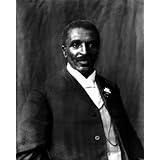
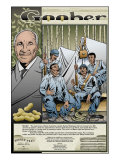
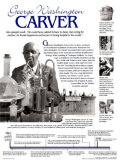
George Washington Carver African American botanist and agricultural educator George Washington Carver developed innovative uses for a variety of agricultural crops such as peanuts, soybeans and sweet potatoes and crop-rotation methods for conserving nutrients in soil. George Washington Carver was born on the Moses and Susan Carver farm near Diamond Grove in southwest Missouri. The exact date of birth is disputed, but generally recognized as circa 1864.
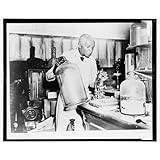
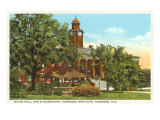
When George was an infant he and his mother Mary were kidnapped by bushwhackers. The Carver family managed to find George and ransomed him for a racehorse but his mother was never seen again. It is believed George’s father was a slave from a neighboring farm who was killed in an accident shortly after George was born. The Carver family raised George and his brother with their own children and he remembered them as kind. George was a frail child and worked in the house rather than the field. The house work allowed him time to wander the woods and become interested in plants. He also had to teach himself to read and write because there were no schools for black children. He left the Carver farm when he was ten years old so he could work where there were schools that he could attend. George was very good at art and music and he began attending Simpson College in Iowa to study those subjects. One of his teachers saw how good he was at botany and convinced him to transfer to Iowa Agricultural College (later to become Iowa State Univ.) where he earned a BS and a MS degrees. He also became the first African American faculty member there. In 1896 Booker T. Washington invited Carver to Tuskegee Normal and Industrial Institute in Alabama as an instructor and he was on the faculty there until his death. His work developed 325 products from peanuts, 108 applications for sweet potatoes, and 75 products from pecans, including a substitute for rubber and more that 500 dyes and pigments. George Washington Carver died Jan 5 1943; his birthplace was declared a National Monument in 1953 and a postage stamp was issued to commemorate his accomplishments in 1948. George Washington Carver quotes • “Nature is an unlimited broadcasting station, through which God speaks to us every hour, if we only will tune in.” • “Anything will give up its secrets if you love it enough. Not only have I found that when I talk to the little flower or to the little peanut they will give up their secrets, but I have found that when I silently commune with people they give up their secrets also – if you love them enough.” • “Education is the key to unlock the golden door of freedom.” • “We have become ninety-nine percent money mad. The method of living at home modestly and within our income, laying a little by systematically for the proverbial rainy day which is due to come, can almost be listed among the lost arts.” • “When you do the common things in life in an uncommon way, you will command the attention of the world.” • “Fear of something is at the root of hate for others, and hate within will eventually destroy the hater. Keep your thoughts free from hate, and you need have no fear from those who hate you.” Read more about George Washington CarverGeorge Washington Carver: In His Own Words by George Washington Carver - selection of Carver’s writing reveal the human side of this famous black scientist, as well as the forces that shaped his creative genius. The Story of George Washington Carver by Eva Moore ages 9-12 A Personal Tour of Tuskegee Institute (How It Was (Minneapolis, Minn.) by Bettye Stroud and Botany...Botany in a Day by Thomas J Elpel - Most plant books cover only one or two hundred species, this book includes more than 100 plant familes and over 700 genera, applicable to many thousand species! Life and Times of the Peanut by Charles Mucicci - a fascinating picture book exploring one of America's most favorite snack foods. LINKS FOR LEARNING : GEORGE WASHINGTON CARVER
|
||||||||||||||||||||||||||||||
|
|
||||||||||||||||||||||||||||||

|
|
|
|
|
NPW home | Global PathMarker Collection | APWTW Blog | faqs-about | contact | search | privacy |
|
NetPosterWorks.com ©2007-2015 The Creative Process, LLC All Rights Reserved. |
last updated