|
|
|||||||||
|
|||||||||
|
|
|||||||||
 |
|||||||||
|
|
|||||||||






Herman Melville Educational Posters, Books, Links for Learning
|
|||||||||||||||||||||||||||||||||||||||||||||||||||||||
|
literature > authors > HERMAN MELVILLE < notable men < social studies |
|||||||||||||||||||||||||||||||||||||||||||||||||||||||
|
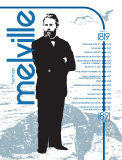
Herman Melville Novelist, short story writer, essayist and poet Herman Melville, is best known for his novel Moby-Dick (1851), and Billy Budd, first published in 1924. Melville's ancestors were early settlers in the Boston and Hudson River region, but his father died penniless when Herman was 12 and left the family dependent on the infighting of his mother's wealthy family. Melville, after leaving school, taught for several years but his urge to travel, and wishing to be financially independent, found him working as a cabin boy on a round trip to Liverpool, and then joining the crew of a whaling ship in 1840. His experiences became the basis for his earliest novels, Typee (1846) and Omoo (1847), his sea adventures in Moby Dick (1851), Pierre (1852), and his collected stories, The Piazza Tales (1856), which had great success and provided financial freedom. Other books include The Confidence Man (1857) and Battle-Pieces (1866), a collection of poetry. Eventually, Melville's popularity took a great fall, and he did not recover during his lifetime. He supported his family with lecturing, suffered from alcoholism and was considered insane though his wife refused to commit him, or leave him. Finally, he was able to work for nineteen years at a customs house job, dying in 1891. It was not until the 1930s that Herman Melville came to be known not only as an outstanding writer of the sea, but also a keen social observer and philosopher. The writer D. H. Lawrence said, “Melville was, at the core, a mystic and an idealist.” |
|||||||||||||||||||||||||||||||||||||||||||||||||||||||
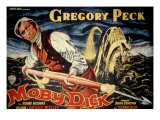
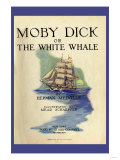
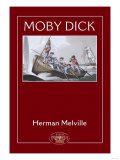
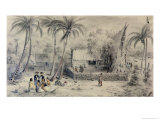
• “Call me Ishmael.” ~ Moby Dick (Cited as Best Opening Line of a Novel in several lists.) HERMAN MELVILLE : BOOKS/VIDEO Herman Melville: Typee, Omoo, Mardi - first volume of The Library of America's complete prose works of Herman Melville includes three romances of the South Seas. "Typee" and "Omoo," based on the young Melville's experiences on a whaling ship, are exuberant accounts of the idyllic life among the "cannibals" in Polynesia. They remained his most popular works well into the 20th century. "Mardi" ("the world" in Polynesian) is a mixture of love story, adventure, and political allegory, set on a mythical Pacific island, that looks forward to the complexities of "Moby-Dick." Together, these three romances give early evidence of the genius and daring that make Melville the master novelist of the sea and a precursor of modernist literature. Herman Melville: Redburn, White-Jacket, Moby-Dick - "Moby-Dick," Melville's masterpiece, is one of the great epics in all of literature. Ahab's idolatrous hunt for the white whale drives the narrative at a relentless pace, while Ishmael's meditations on whales and whaling, the sublime indifference of nature, and the grimy physical details of whale-oil extraction provide a reflective counterpoint. Sometimes read as a terrifying study of monomania or as a critical inquiry into the sinister effects of reducing life to symbols, "Moby-Dick" also offers colorful and comic glimpses of life aboard a whaling ship. This second volume of Melville's complete prose in The Library of America also includes two other stories of the sea: "Redburn," which relates a young man's initiation into the sailor's life, and "White-Jacket," a semi-autobiographical account of experiences in the U.S. Navy. All three are presented in the authoritative Northwestern-Newberry texts. (product description) Herman Melville: Pierre, Israel Potter, The Piazza Tales, The Confidence-Man, Billy Budd - Herman Melville's dark and brilliant late works contain some of his most powerful writing. After "Moby-Dick" he turned from the high seas to record his keen, bleak vision of life at home in America. "Pierre," "Israel Potter," and "The Confidence-Man," satirical dissections of moral breakdown and social hypocrisy, anticipate modernist fiction with their black humor and formal experimentation. With them here are "The Piazza Tales"--including "Bartelby the Scrivener," "The Encantadas," and "Benito Cereno"--and the haunting, posthumously published masterpiece, "Billy Budd, Sailor." Rounding out this third volume of Melville's complete prose in the Library of America are many pieces rarely collected, including magazine stories, comic sketches, and reviews of Nathaniel Hawthorne, Francis Parkman, and James Fenimore Cooper. Herman Melville by Newton Arvin - One of America's most enigmatic literary figures, Herman Melville lived a life full of adventure, hardship, and moral conflict. Known for his nautical escapades, Melville fist went to sea in his early twenties, sailing to England and then Polynesia where he found himself fleeing from cannibals, joining a mutiny, and frolicking with naked islanders. His novels were, for the most part, unseccessful and misunderstood, and later in life he had to accept work as a low-level customs agent to support his wife and children, His only close friend was Nataniel Hawthorne to whom he dedciated Moby-Dick .... a readable biography that beautifully captures the troubled, often reclusive man whose major works include, Typee, Omoo, Bartleby the Scrivener, Billy Budd, and his indisputable masterpiece, Moby-Dick. (back cover) Moby-Dick: The True Story DVD - As the title indicates, there really was truth behind the fiction. There may not have been an Ahab, but there was a Captain Pollard from Nantucket. In 1820, he took his crew on a whaling expedition that turned into one of the most famous maritime disasters of all time. It began when an 85-foot whale rammed the Essex and sunk it (an unusual occurrence, since sperm whales are generally peaceful). The crew collected what rations they could and split into three lifeboats. Two boats weren't rescued until after three months of starvation, madness – and cannibalism. The third was never found. The tale is recounted through reenactments, computer graphic imagery, and commentary from experts in the fields of biology, literature, and psychology. Although it's not officially tied to the book In the Heart of the Sea: The Tragedy of the Whaleship Essex, this program makes a terrific companion piece. (Amazon review) Everyday Life in the 1800s: A Guide for Writers, Students, and Historians -The Everyday Life series helps writers, students and researchers save valuable time and bring richness and historical accuracy to their work. Each guide describes the food, clothes, customs, slang, occupations, religions, politics and other historical details that are so often difficult to find. Two Years Before the Mast by Richard Henry Dana -Tracing an awe-inspiring oceanic route from Boston, around Cape Horn, to the California coast, Two Years Before the Mast is both a riveting story of adventure and the most eloquent, insightful account we have of life at sea in the early nineteenth century. Richard Henry Dana is only nineteen when he abandons the patrician world of Boston and Harvard for an arduous voyage among real sailors, amid genuine danger. The result is an astonishing read, replete with vivid descriptions of storms, whales, and the ship's mad captain, terrible hardship and magical beauty, and fascinating historical detail, including an intriguing portrait of California before the gold rush. LINKS FOR LEARNING : HERMAN MELVILLE
|
|||||||||||||||||||||||||||||||||||||||||||||||||||||||




|
|
|
|
|
NPW home | Global PathMarker Collection | APWTW Blog | faqs-about | contact | search | privacy |
|
NetPosterWorks.com ©2007-2015 The Creative Process, LLC All Rights Reserved. |
last updated