




Pablo Picasso Educational Posters, Books, Video, DVD, Links for Learning |
|||||||||||||||||||||||||||||||||||||||||||||||||||||||||||||
|
history of art > PABLO PICASSO < famous men < social studies |
|||||||||||||||||||||||||||||||||||||||||||||||||||||||||||||
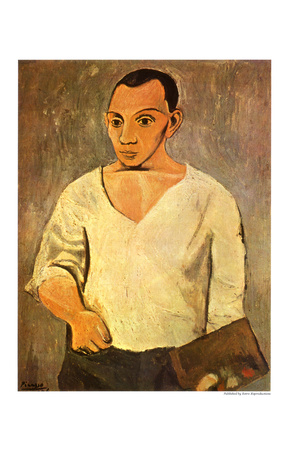
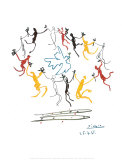
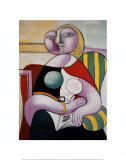
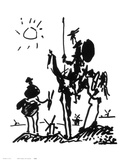
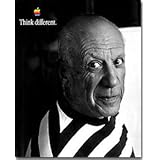
Pablo Picasso Pablo Ruiz Picasso was one of the 20th Century's most recognized artists. Picasso was best known as a painter and along with Georges Braque founded Cubism where objects are "taken apart" and reassembled to depict the subject from multiple perspectives at one moment. Picasso also was a printmaker and sculptor. Picasso's long career and work has been critically divided into “Periods”: “Blue” (1901-1904), “Rose” (1905-1907), African Influence (1908-1909) and Cubism (1909-1919). PABLO PICASSO QUOTES ~• “Good taste is the enemy of creativity.” |
|||||||||||||||||||||||||||||||||||||||||||||||||||||||||||||
|
|
|||||||||||||||||||||||||||||||||||||||||||||||||||||||||||||
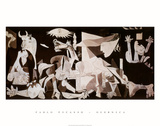
PABLO PICASSO BOOKS, VIDEO/DVDThe Ultimate Picasso - more than 1,200 reproductions (nearly 800 in color) spanning the artist’s entire career. Smoothly translated from the French, the book weaves biographical detail and discussions of the art into a concise narrative. (“Olga became pregnant in the summer of 1920, and in Picasso’s work forms blossomed and flesh took on the massive quality of stone.”) The three authors are all experts – Léal and Bernadac are (respectively) present and former curators of the Musée Picasso in Paris, and Piot coauthored the catalogue raisonné of Picasso’s sculpture. They clearly explain visual sources, duly acknowledge leading art historians' interpretations, and choose good quotes from contemporaries. Yet the text can be surprisingly skimpy. The 16-page section on Guernica, for example, has barely two pages of discussion about the painting and its genesis. The authors keep an extremely tight focus on their subject, with only as much mention of Picasso's contemporaries or the outside world as is absolutely necessary. Picasso: Style & Meaning - Pablo Picasso (1881-1973) is notorious for various forms of excess -excess in his love life, an excessive output, an excessively inconsistent style. In this groundbreaking book Elizabeth Cowling draws on her exceptional knowledge as an authority on Picasso to argue that he came to equate stylistic consistency with sterility. Abandoning the traditional use of subject matter to achieve variety and meaning, Picasso gradually reduced his to a handful of standardized motifs, and used a vast array of different styles as the principal means of communicating ideas and feelings. In short, style is meaning in Picasso’s art; his notoriously mercurial nature found expression in stylistic variety and experimentation. With rare intelligence and clarity, the author has woven biography and analysis into a compelling narrative. The 600 illustrations include all of Picasso’s major works up to the beginning of World War II, and these are juxtaposed with their sources – Old Masters, contemporary artists, found objects, and Picasso's own drawings and sketches - to make a visually telling counterpoint to the arguments of the text. Scholars familiar with Picasso’s work will find Cowling’s fresh insights a revelation and readers new to Picasso will come away with a profound understanding of both Picasso and his art. A Life of Picasso: 1907-1917 by John Richardson - This second volume in Richardson’s exhaustive and intense biography of the twentieth century’s greatest artist covers the ten years from 1907, where volume one ended its epic story of youthful Bohemian struggle. Picasso was then 26; the decade covered here displays a journey to adulthood through astonishing artistic innovation, a growing renown, and the artist’s turbulent sexual relations. Richardson details Picasso's public career, including the impact of Cubism, and his complex personal life, notably the artist’s passionate and callous treatment of his wives and mistresses (“deification followed by a degrading process of psychosexual dissection”). Through perceptive analysis of Picasso’s paintings, Richardson also offers a deep understanding of the inner demons that shaped his remarkable outer life. Paint with Picasso: A Painting and Colouring Book - Six Picasso Postcards by Pablo Picasso - Biography - Pablo Picasso: A Primitive Soul (2000) VHS - This two-hour program in A&E’s Biography series thoroughly documents the life and work of Picasso. Subtitled A Primitive Soul, Picasso’s Spanish roots are depicted in detail through the images that reoccur in his work as a painter. His father was a painter, although Picasso quickly surpassed him and is quoted as having said, “In art, one has to kill one’s father.” In Paris he quickly rose to fame, supported by fellow artists and collectors, although he was haunted by his main competitor, Matisse. Major biographers of Picasso, including John Richardson, comment on the complexities of his life and creativity, his passions for women, his overriding ambition, his competitive nature, as well as his remarkable talent at creating new styles of painting by taking from other artists. As one commentator states, “He was always a thief.” Big shifts in his work occurred with each new sexual relationship. This program aptly conveys the multitude of his relationships, many of which were happening simultaneously. Enamored by his children when they were young, Picasso lived off the energy of those around him. He remained terrified of death and of being alone. After Franco came to power, he vowed he would never return to Spain under his rule. In 1944, he joined the Communist party and remained loyal to it for the rest of his life. This program is extraordinarily well researched and serves as an eloquent testimony to Picasso’s creativity and influence on developments in modern art. LINKS FOR LEARNING : PABLO PICASSO |
|||||||||||||||||||||||||||||||||||||||||||||||||||||||||||||


|
previous page | top |
|
|
|
NPW home | Global PathMarker Collection | APWTW Blog | faqs-about | contact | search | privacy |
|
NetPosterWorks.com ©2007-2015 The Creative Process, LLC All Rights Reserved. |
last updated