|
|
State of New Jersey Posters, Prints, Photographs, Calendars
for educators and home schoolers, themed decor in studio or office.
|
geography > NA > US > NE > NEW JERSEY < social studies
|
|
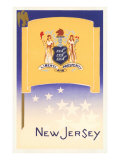
New Jersey, named after the Isle of Jersey, is nicknamed the Garden State. New Jersey joined the Union on December 18, 1787 as the 3rd state.
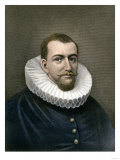
The explorer Giovanni da Verrazano was the first European recorded to have seen the coast of New Jersey in 1524. In 1609 Henry Hudson sailed along the New Jersey shore and claims the region for the Netherlands.
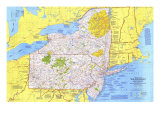
Located in the Middle Atlantic of the Northeast region, New Jersey is bordered on the west by Pennsylvania, the southwest by Delaware, the east by the Atlantic Ocean, and by New York on the north and northeast.
|
|
|
...
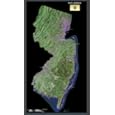
Seen in outline, this fifth smallest state is a bent old codger in a pillbox hat, turning his weary back on a sea that denies him a deepwater port in all that span of sand. The big ships dock at such ports as Elizabeth at the nape of his neck and Camden at the knot of his tie – one in the shadow of the great port of New York, the other across the Delaware River from the busy docks of Philadelphia. Like lightning zapping from nimbus to nimbus, rails and highways skitter up and down the old man's collar, linking the urban hubs and completing the circuit of the East's vast megalpolis. Yet New Jersey adds to the circuit no city quite so great as these – hence its image as a corridor state and its schizophrenic lean toward New York in the north, Philadelphia in the south.
...
(poster text about New Jersey)
|
|
|
|
|
|
|
|
|
|
|
|
|
The American Goldfinch, the New Jersey State Bird, is a member of the finch family and is found from southern Canada to the Gulf States. The goldfinch is noted for its flight path - they generally fly in an up-down wave motion. The goldfinch is also the state bird of Iowa and Washington.
• more birds posters
|
|
|
|
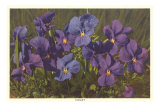
Violets, the state flower of New Jersy, are perennial plants with broad, heart-shaped leaves and usually dark blue flowers. Violets are native to the eastern US and Canada and prefer damp woods and meadows; in lawns they are considered weeds. Have you ever had candied violets?
• botany posters
|
|
|
|
|
|
|
|
|
|
The honey bee, the NJ State Insect, pollinates more than 90 cultivated crops effecting every third bite of food consumed - important for the Garden State.
|
|
|
|
|
|
|
|
|
|
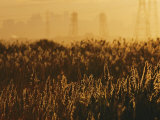
The New Jersey Meadowlands is the large ecosystem of wetlands in northeast New Jersey.
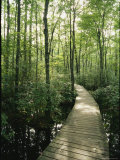
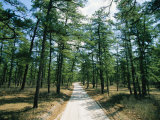
The Pine Barrens, a forested area of coastal plain across southern New Jersey, is a unique biogregion supporting an important aquifer. In colonial times the Barrens was the source of bog iron that was used to make cannon balls.
|
|
|
|
|
|
|
|
|
|
|
|
previous page | top
|
|
I have searched the web for visual, text, and manipulative curriculum support materials - teaching posters, art prints, maps, charts, calendars, books and educational toys featuring famous people, places and events - to help teachers optimize their valuable time and budget.
Browsing the subject areas at NetPosterWorks.com is a learning experience where educators can plan context rich environments while comparing prices, special discounts, framing options and shipping from educational resources.
Thank you for starting your search for inspirational, motivational, and educational posters and learning materials at NetPosterWorks.com. If you need help please contact us.
|
|
|